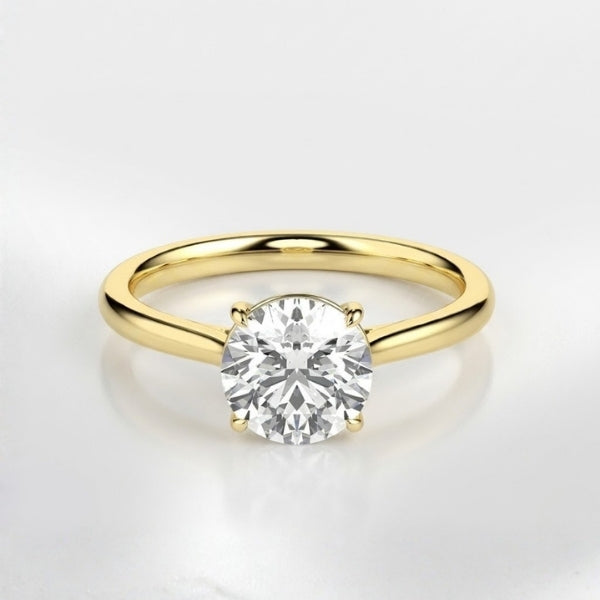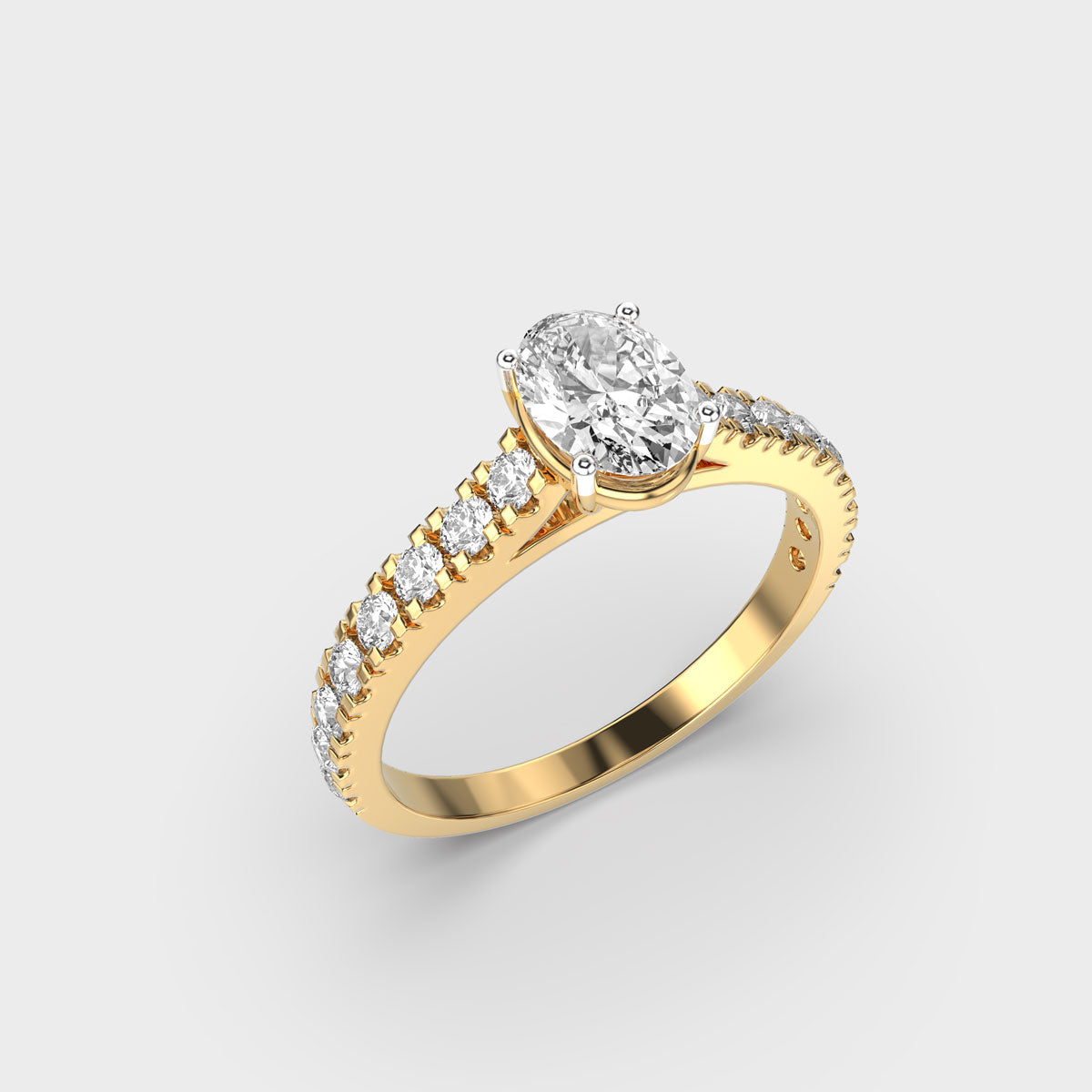
Yellow Gold vs White Gold vs Rose Gold: Which Should You Choose?
Metal guide
Yellow gold, white gold, or rose gold?
Same purity, three completely different personalities. Here's how to choose the gold that's actually right for you.
The stone usually gets all the attention. The metal gets decided in the last five minutes, almost as an afterthought, and it's one of the most common regrets people have once a piece is on their hand. The colour of your gold changes how a piece looks, how it ages, how much upkeep it needs and how it sits against your skin every day.
Here's the most important thing to know first: yellow, white and rose gold of the same karat contain exactly the same amount of pure gold. An 18K piece is 75% pure gold whatever its colour. The difference is entirely in the alloy, the other metals mixed in for colour and strength. Here's what that means for you.
What gives gold its colour?
Pure 24K gold is a deep, soft yellow, and far too soft to wear every day without bending or scratching. Jewellers mix in other metals to add strength and create different colours, while keeping a fixed percentage of pure gold based on the karat.
Side-by-side comparison
| Factor | Yellow gold | White gold | Rose gold |
|---|---|---|---|
| Pure gold content | Same as karat | Same as karat | Same as karat |
| Main alloy | Copper + silver | Palladium or nickel | Higher copper |
| Plating needed | No | Yes, rhodium | No |
| Maintenance | Low | Re-plate every 1–2 yrs | Low |
| Relative durability | Good | Good | Excellent |
| Best skin tone match | Warm undertones | Cool undertones | Warm & neutral |
| Diamond contrast | Warm, classic | Bright, maximises sparkle | Soft, romantic |
| Hypoallergenic | Generally yes | Can contain nickel | Generally yes |
Which gold matches your skin tone?
| Warm undertone (golden, olive, peachy) | Yellow gold or rose gold |
| Cool undertone (pink, fair, blue-red) | White gold |
| Neutral undertone | All three work equally well |
Quick test: if the veins on your wrist look greenish, you probably lean warm. If they look blue or purple, you probably lean cool.
Durability and upkeep, honestly
All three are durable enough for everyday wear at standard jewellery karats, but they age differently, and that's worth knowing before you buy.
Which gold pairs best with lab-grown diamonds?
The metal changes how a diamond reads on the hand. Lab-grown and natural diamonds behave identically with light, so the same rules apply to both.
| Want maximum sparkle | White gold: the cool tone makes the diamond look whiter |
| Want a classic, traditional look | Yellow gold: warm contrast that never dates |
| Want a romantic, modern look | Rose gold: a soft, flattering glow against the stone |
Questions, answered
Is one gold colour worth more than another?
No. Yellow, white and rose gold of the same karat contain exactly the same amount of pure gold: 58.3% for 14K and 75% for 18K. Price differences come from design, gemstones and making charges, not the colour.
Which gold colour is the most durable?
Rose gold, thanks to its higher copper content. White gold comes next and yellow gold is slightly softer, though all three are fine for daily wear.
Does white gold need more maintenance?
Yes. Its rhodium plating wears down over one to two years and needs re-plating. Yellow and rose gold don't need this because their colour runs through the metal.
Which gold colour suits my skin tone?
Warm undertones usually suit yellow or rose gold. Cool undertones usually suit white gold. Neutral undertones work with all three.
Can I mix gold colours in one set?
Yes. Mixed metals are a popular styling choice that adds interest without looking mismatched.
Is rose gold good for lab-grown diamond engagement rings?
Yes. Its warm tone creates a romantic contrast with the diamond, and it's durable enough for daily wear.
Choosing the band style too? Read open band vs closed band diamond rings, or start with our beginner's guide to choosing a diamond ring.
Choose your metal
Available in yellow, white & rose gold
Every SIYARI piece is BIS hallmarked and IGI certified, in the gold tone that's right for you.
Shop all jewellery